
Jeep Grand Cherokee Spark Plugs and Ceramic Insulation
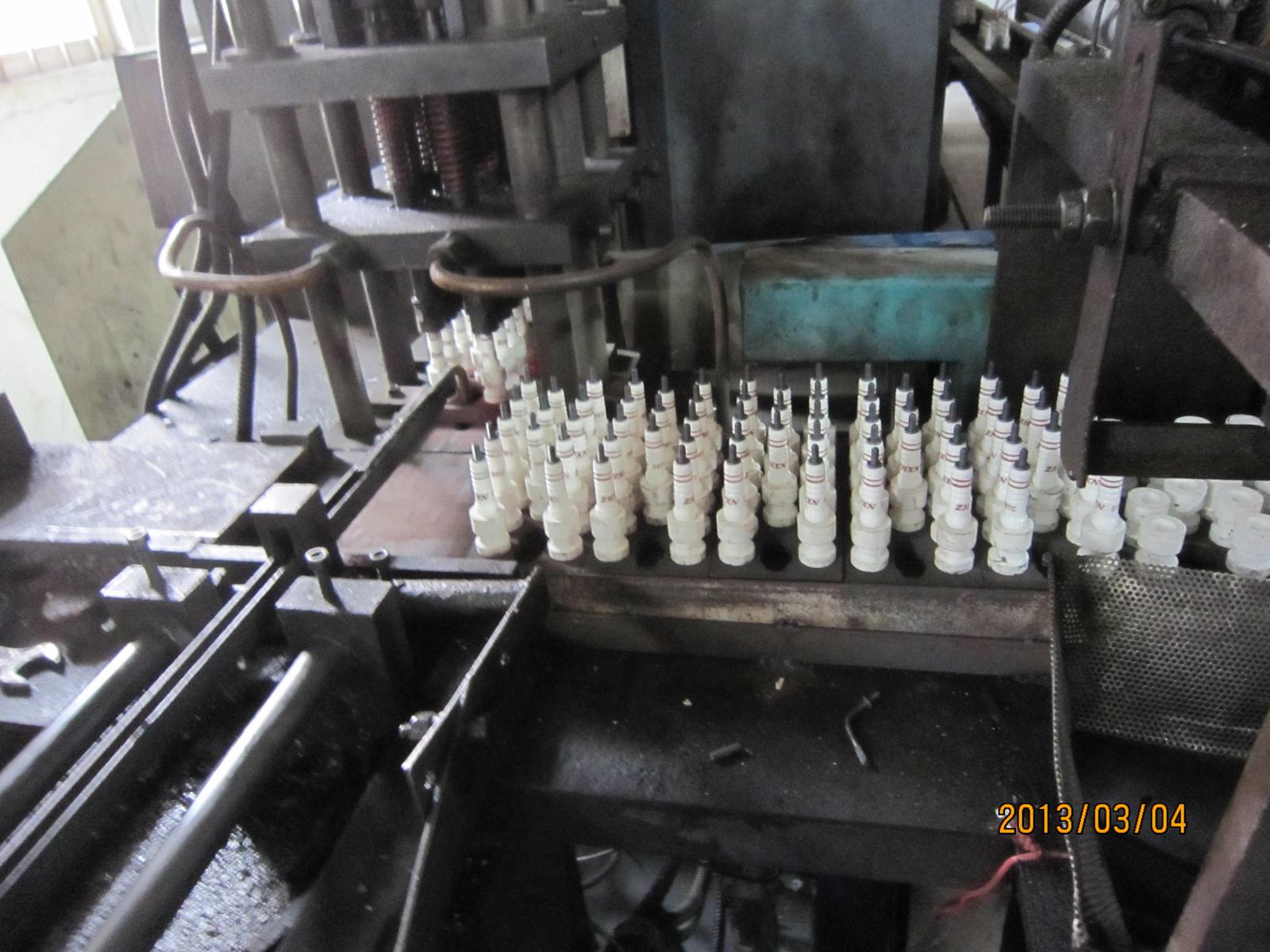
Rows of ceramic spark plug subassemblies introduce the importance of insulation integrity and careful handling.
The ceramic has a specific job
The white ceramic subassemblies in this photograph illustrate an important part of spark plug construction. In a gasoline Jeep Grand Cherokee engine, the insulator helps keep ignition voltage on its intended path. Its shape and condition therefore deserve attention alongside the electrode and metal shell. A chipped edge or damaged surface should prompt a closer examination before the finished plug is installed.
Examine more than the visible tip
Inspect the accessible ceramic under suitable lighting and magnification where necessary. Look for cracks, chips and evidence of handling damage. Electrical insulation testing, when required by the product specification, evaluates properties that visual checks alone cannot establish. Keep the test method, voltage conditions and acceptance criteria linked to the exact plug reference. Handle rejected samples carefully so the original damage remains available for investigation.
Trace a crack to its cause
Damage can occur during manufacture, transport or workshop installation. DENSO identifies excessive tightening and incorrect tool alignment among the risks to spark plug integrity. Document the crack location and inspect the surrounding shell, terminal and packaging. If several samples share the same damage pattern, review their handling route. An isolated workshop failure should also be evaluated against the socket condition and the installation method used.
Protect the insulator during replacement
Choose the spark plug specified for the Grand Cherokee engine and follow the applicable tightening guidance. Keep the socket aligned and use appropriate tools for the plug location. Inspect the coil boot and plug well for contamination before assembly. When investigating a misfire, review the complete ignition system and the observed operating conditions. Preserve removed plugs in numbered positions so their condition can be compared with the affected cylinder. That connection between physical evidence and vehicle symptoms supports a more precise quality assessment. Protect each plug in its own compartment during return shipment so contact with neighboring plugs cannot add chips or marks to the inspected sample during transit.