
Jeep Grand Cherokee Wiper Linkage and Forming Accuracy
A press workstation and slender metal rods provide a setting for examining linkage geometry and smooth wiper movement.
Why linkage geometry matters
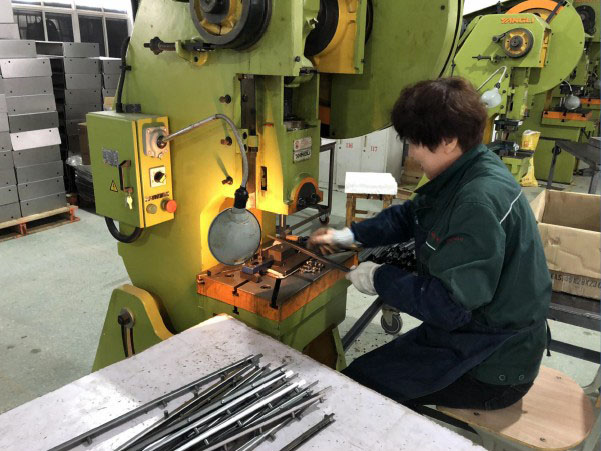
A press workstation and slender metal rods appear in this photograph. The scene offers a practical starting point for examining formed linkage components, including those used in Jeep Grand Cherokee wiper mechanisms. A linkage transfers motor movement between pivots. Its rod length, end geometry and installed orientation contribute to the sweep and freedom of movement of the complete assembly.
Check the formed ends
After pressing or forming, inspect each end for the features specified on the drawing. Look for distorted attachment areas, cracks near bends and burrs that could interfere with assembly. Compare pivot spacing using a defined fixture rather than relying on the outline of a loose rod. Check material thickness at important formed features. Measurements should describe the component in its intended orientation.
Evaluate movement through the complete cycle
A rod can meet an individual dimension while the assembled mechanism still binds. Evaluate the complete linkage through its intended travel with the appropriate fixtures and load conditions. Observe interference, uneven movement and looseness at connections. If a sample changes position after repeated operation, investigate joint retention and component deformation. Record the location in the cycle where resistance appears to make the problem reproducible.
Relate the sample to the vehicle
Before selecting a replacement, confirm the Grand Cherokee generation, model year and wiper assembly reference. Check motor mounting, pivot locations and park position requirements using the relevant service information. A workshop should follow the specified procedure when reconnecting the linkage and setting the arms. Keep the windshield area clear during controlled testing. For purchasing, request a geometry report and a movement assessment tied to the same reference. Together they help explain whether an issue comes from the formed rod, its connections or the way the mechanism is positioned on the vehicle. An approved fixture can also record the pivot spacing at rest, giving technicians a reference when comparing replacement mechanisms before fitting them to vehicles.