
Jeep Grand Cherokee Control Module Reflow Soldering Quality
Assess Grand Cherokee control module solder joint quality through measured reflow profiles, inspection and functional checks.
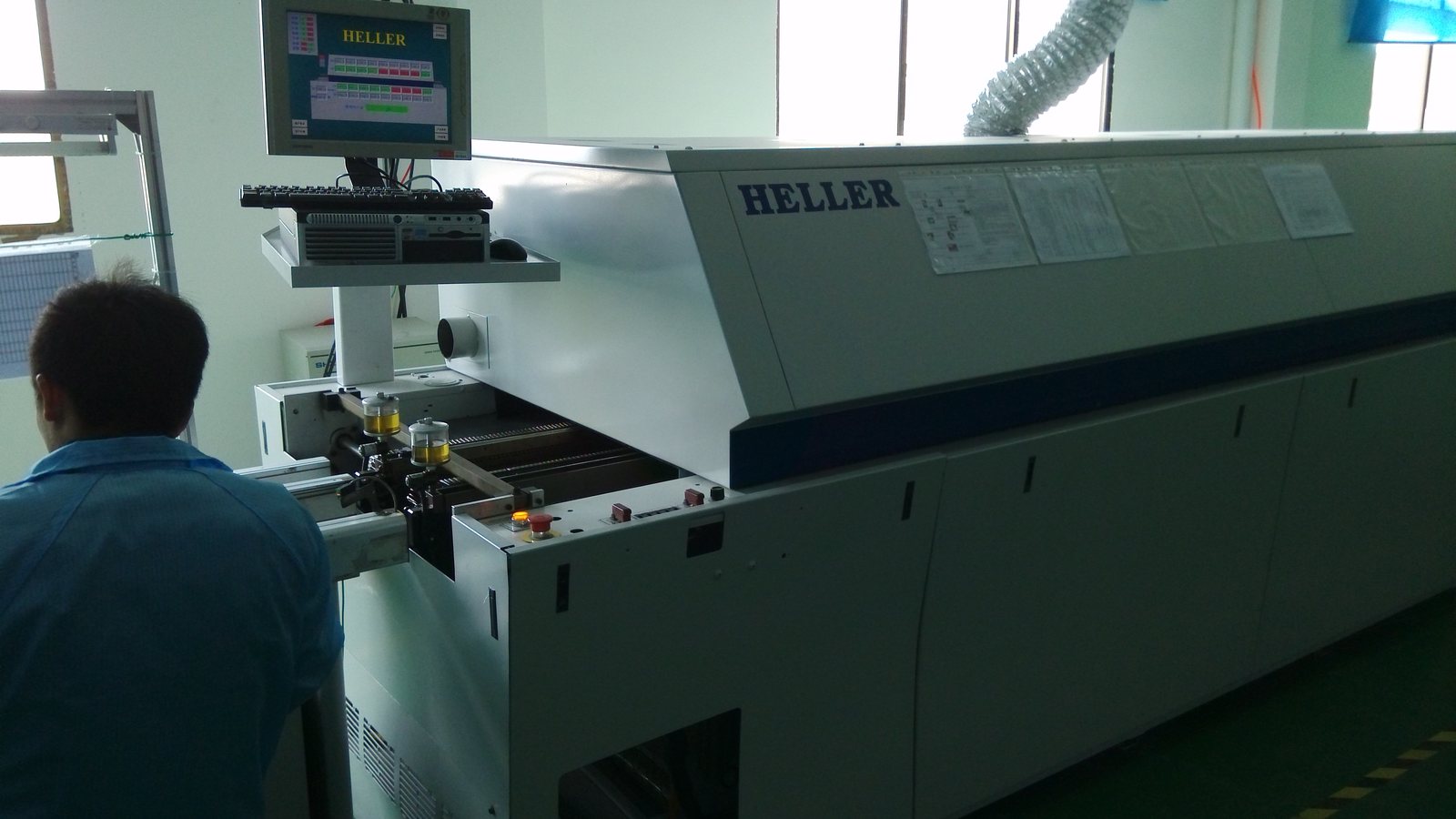
Follow the board through the oven
The Heller machine pictured here provides the context for examining reflow soldering. A conveyor carries circuit boards through zones that heat and then cool the assembly. For Jeep Grand Cherokee control module electronics, this stage forms connections between components and the board. The board temperature history is the useful evidence when assessing how those connections were made.
Measure the profile on the assembly
Oven setpoints show the commanded conditions. A measured profile shows what representative locations on the board actually experience. Large components and heavier copper areas can heat differently from smaller locations. Heller advises matching the profile to the solder paste and the thermal limits of the assembly. Ask which board revision was profiled and whether a change in loading or materials requires verification.
Review defects against the process
After reflow, appropriate inspection can identify visible bridges, poorly formed joints or displaced components. Hidden connections may require another inspection method suited to the package. If a defect appears repeatedly in one area, compare the measurement location, paste deposit and thermal history before assigning a cause. Photograph the affected feature and retain the relevant profile to support the investigation.
Link process evidence to finished modules
Functional testing checks how the finished board behaves, while the process record explains how it was assembled. For Grand Cherokee replacement modules, confirm the hardware reference and any vehicle configuration requirements separately. Ask for records that connect the board lot, solder process and finished test outcome. When an electrical fault is intermittent, preserve the conditions under which it appeared instead of reporting only a pass or fail. This gives the supplier a reproducible starting point for investigating the affected connection. Review samples from different positions on a loaded conveyor when the board design or loading pattern makes heating uneven. Always keep the profile tied to the product revision and paste used, since either can change the conditions required for a reliable joint.